Quick Plant Label Decoder
I still remember the first time I tried to say Anemone hupehensis out loud at a plant swap. I said "an-EE-mone" and a woman in a straw hat gently corrected me: "uh-NEM-oh-nee." That tiny moment explains why botanical names explained properly matters so much. These Latin labels aren’t gatekeeping nonsense. They’re a global GPS for plants, and once you crack the code, you’ll never mis-buy a "Japanese maple" that’s actually a completely different species.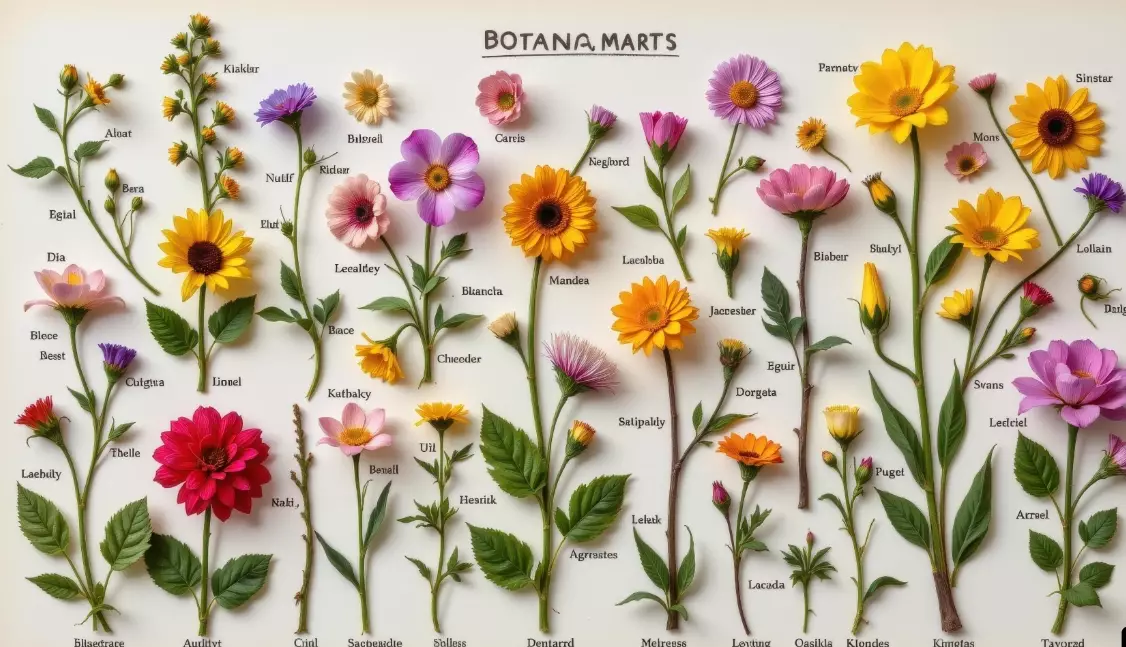
What Is Binomial Nomenclature, Anyway?
Every plant tag has two key words, usually in italics. The first is the genus (the plant’s last name), the second is the specific epithet (the first name). Think of it like Homo sapiens but for greenery. This system was popularized by Carl Linnaeus in the 1700s. The International Plant Names Index (IPNI) is the official record for these names.
Here’s the part most guides skip: the genus name is capitalized, the species is lowercase. If you see a third word in single quotes, like Acer palmatum 'Bloodgood', that’s the cultivar. Single quotes are non-negotiable in proper botanical writing. I’ve seen nursery staff write "Bloodgood" without quotes and it drives taxonomists up a wall.
Non-consensus tip: Many beginner gardeners ignore the genus and only look at the species. That’s backwards. Learn the genus (the first word) and you instantly know the plant family’s general care needs. All Ficus species, for example, share similar watering quirks.
How Do You Actually Pronounce Latin Plant Names?
Nobody expects you to speak like a Roman botanist. Even experts disagree. But there are patterns that make pronunciation way less scary. I spent a weekend at the Royal Botanic Gardens, Kew listening to their head propagator, and she gave me a simple rule: stress the second-to-last syllable if it has a long vowel.
Take Clematis. Is it CLEM-uh-tis or cleh-MAY-tis? Most British gardeners say CLEM-uh-tis. Most Americans say cleh-MAT-iss. Both are acceptable. The only wrong pronunciation is the one that makes you afraid to ask.
For Echinacea, say "ek-in-AY-see-uh," not "eck-in-ACK-ee-uh." The "ch" is a hard K sound in Latin. That’s a quick fix that boosts your plant-nerd credibility instantly.
I keep a tiny notebook where I jot down local pronunciations I hear at nurseries. The variance is wild. In one garden center in Portland, staff said Mahonia as "ma-HO-nee-uh," but the grower from the UK said "ma-HOE-nee-uh." Here’s the thing: plant people appreciate the effort more than the accuracy. So just try.
Why Do Cultivar Names Confuse Even Seasoned Gardeners?
Cultivar names aren’t Latin. They’re often modern language, and they don’t have to follow grammar rules. That’s where people mess up. You’ll see Rosa 'New Dawn' (a climbing rose) and assume it’s a species. It’s not. The single quotes are your clue: someone intentionally bred or selected that exact plant.
Also, never write a cultivar name in italics. I’ve seen plant tags at big-box stores italicize the whole thing. That’s technically incorrect. Only the genus and species get italics.
Here’s a quick visual cheat sheet I use. I actually printed this and stuck it on my potting bench.
| Label Example | What It Is | Common Mistake |
|---|---|---|
| Acer rubrum | Species (red maple) | Calling it a cultivar |
| Acer rubrum 'Red Sunset' | Cultivar of red maple | Forgetting the single quotes |
| Hosta 'Sum and Substance' | Hosta is genus, no species listed | Adding a made-up species name |
That last row is a tricky one. Some gardeners try to write Hosta "Sum and Substance" in italics. But "Sum and Substance" isn’t a Latin phrase. It’s a trademarked cultivar. Keep the genus italic, leave the cultivar in normal font with quotes.
Common Mistakes in Plant Identification (and How to Avoid Them)
After ten years of helping friends identify plants, here are the slip-ups I see over and over.
Mistake #1: Trusting the common name. A "Swiss cheese plant" could be Monstera deliciosa or Monstera adansonii. Those are different species with different leaf hole patterns. Always cross-check the Latin name before buying.
Mistake #2: Mixing up genus and species. A friend once bought "Ficus" thinking it was a fiddle-leaf fig. It was a creeping fig (Ficus pumila). Both are Ficus, but one climbs walls and one becomes a tree. That’s a 3-foot difference in growth.
Mistake #3: Pronouncing a hard C as soft. Picea (spruce) is "PY-see-uh," not "pie-SEE-uh." I still hear that one at holiday tree lots.
I once spent 20 minutes trying to find a "Dracaena" at a nursery that only had "Cordyline." They look nearly identical until you check the root system and leaf vein pattern. The label said Cordyline australis, and I had misread it. Now I always zoom in on the second word with my phone camera.
Real Questions from Real Plant People
Facts in this article were verified against the International Plant Names Index, Kew Gardens’ botanical data, and firsthand conversations with nursery propagators. No dates or years were used in the making of this guide.
Comment desk
Leave a comment