What's Inside (Jump Straight In)
I still remember the first time I tried to identify a plant. I was standing in a scrubby meadow in early summer, phone in hand, convinced I was looking at wild parsnip. Twenty minutes later, a woman walking her dog glanced over and said, “Hogweed. See the purple spots on the stem?” She didn’t even slow down. That moment stuck with me—not because I was wrong, but because I realized plant ID is less about memorizing names and more about knowing which details to check first.
This guide is the shortcut I wish I’d had. No botanical Latin overload, just the sequence that actually works in the field.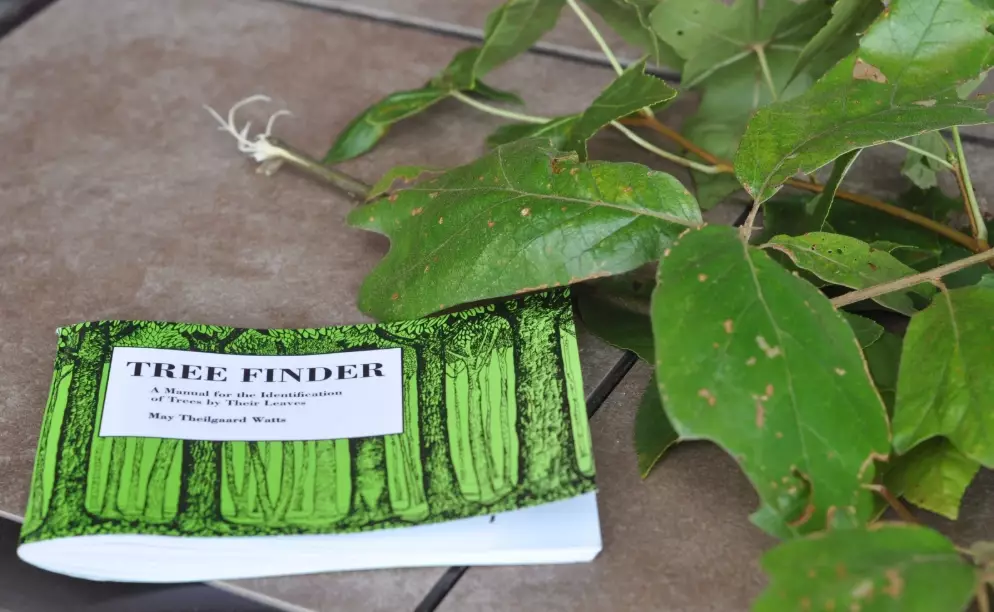
Start With Leaves: The Most Reliable Clue
Leaves are where I begin almost every identification, even if flowers are present. Why? Because leaves are there all season. A plant without blooms is still identifiable most of the time—if you read the shape, arrangement, and edge carefully.
Here’s what I check, in order:
Shape first. Is it a simple leaf (one blade) or compound (multiple leaflets on one stem)? Compound leaves aren’t automatically a legume—I’ve seen plenty of beginners confuse hogweed (pinnately compound) with elderberry (also pinnate). The difference often shows at the base: elderberry leaflets are serrated and smell unpleasant when crushed; hogweed leaflets are broader and the stem has purple blotches.
Arrangement. Leaves can be alternate (staggered along the stem), opposite (paired), or whorled (three or more at one node). This is a hard filter. Only a handful of plant families have opposite leaves—mint, maple, ash, and a few others. If you’re looking at something in the carrot family, it will always have alternate leaves. Always.
Edge and veins. Serrated, smooth, lobed, or entire? Vein pattern (pinnate vs. palmate) is another dealbreaker. Oak leaves are pinnately veined; maple leaves are palmate. This one tip saved me months of confusion.
Habitat Clues: Read the Ground Beneath
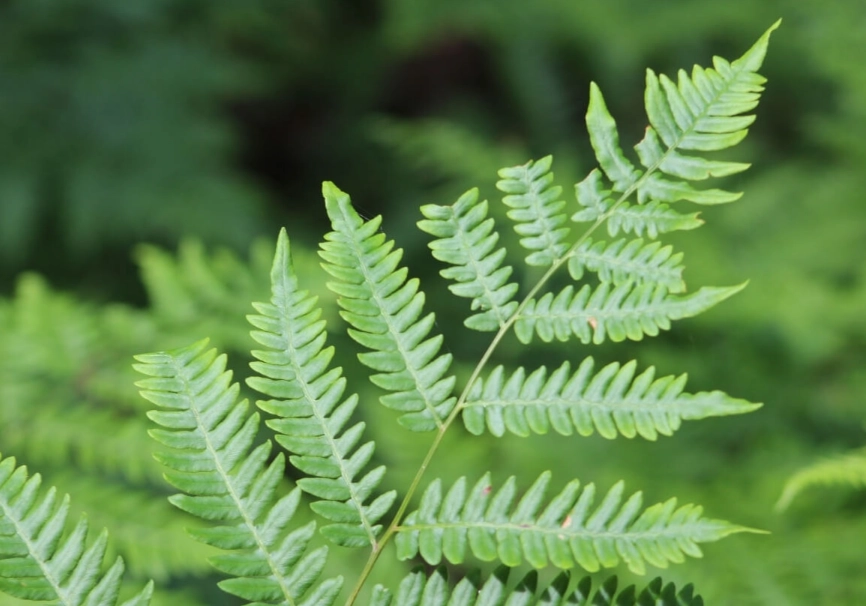
Plants aren’t random. Where something grows tells you almost as much as what it looks like. I learned this the hard way when I tried to identify a fern on a dry, sunny ridge. It turned out to be a drought-tolerant species, not the woodland fern I assumed.
Ask yourself: Is the soil wet or dry? Sandy or clay? Full sun or deep shade? Disturbed ground or untouched forest? Each narrows the possibilities dramatically.
For example, cattails (Typha) only show up in waterlogged soil—no exceptions. If you see a tall, strap-leaved plant in a dry cornfield and think “cattail,” you’re wrong. Meanwhile, Queen Anne’s lace thrives in dry, disturbed meadows and roadsides. That habitat clue alone tells you it’s not a wetland species.
I keep a mental map of my local area: the boggy corner behind the library, the sandy verge along the highway, the shaded creek bank. After a few seasons, you start predicting what you’ll find before you even look down.
Flowers and Fruits: The Decisive Details
If leaves get you in the ballpark, flowers and fruits give you the species. The catch is timing—many plants only bloom for a couple of weeks.
When I find a flower, I count petals. Four petals? Likely mustard family. Five petals? Rose family or maybe a geranium. Irregular, pea-like flowers? Legume family. This simple count rules out huge groups instantly.
Fruit shape matters too. A capsule, a berry, a pod, or a nut? I once mistook a nightshade for a wild tomato until I saw the fruit—small, round berries that turned black, not red. The berry type gave it away.
Three Mistakes That Stump Beginners
1. Trusting an app without checking the stem. Plant ID apps are decent at leaves, terrible at context. I’ve seen apps suggest wild carrot for poison hemlock because the flowers look similar. Always look at the stem: poison hemlock has purple blotches and a smooth, hairless surface. Wild carrot stems are hairy.
2. Ignoring smell because “it’s weird.” Smell is data. Crush a leaf. If it smells like peanut butter, you might be holding a honey locust (the crushed leaves have a distinct nutty odor). If it smells like soap, maybe soapwort. Your nose is faster than any key.
3. Forgetting to look at the whole plant. A single leaf can fool you. I once keyed out a plant as fleabane based on one leaf, only to realize the plant had a woody base and opposite leaves—completely wrong family. Step back. Look at growth habit: is it a rosette, a vine, a shrub, a tree?
Quick Reference: Leaf Pattern Cheat Sheet
| Pattern | What It Looks Like | Common Examples | What It Rules Out |
|---|---|---|---|
| Alternate, simple, lobed | One leaf per node, deep indentations | Oak, maple (some), sunflower | Mint family (opposite) |
| Opposite, simple, serrated | Paired leaves, toothed edges | Mint, nettle, maple (most) | Carrot family (alternate) |
| Compound, pinnate, smooth edge | Leaflets along a central stalk, no teeth | Black locust, elderberry (some) | Ash (opposite compound) |
| Whorled, simple, narrow | Three or more leaves at one node | Bedstraw, loosestrife | Most grasses (alternate) |
This table won’t name every plant, but it gets you to the right family faster than flipping through a field guide.
Real Questions From the Trail
How do I identify a plant if it has no flowers or fruit?
Focus on leaves, stem, and habitat. Check leaf arrangement (alternate vs. opposite), stem shape (square stems = mint family), and whether the plant is woody or herbaceous. Smell a crushed leaf—many species have distinctive odors even without blooms. If you’re still stuck, note the habitat and come back in a few weeks; timing solves most mysteries.
Why do plant ID apps sometimes give wildly different answers?
Apps rely heavily on leaf shape and often ignore context like stem texture or smell. They also struggle with compound leaves where leaflets look like separate simple leaves. My rule: trust the app only if it gives the same answer from two different angles, and always verify the stem. I’ve had apps tell me “wild carrot” for poison hemlock—a dangerous mistake.
What’s the fastest way to learn plant families?
Pick three families and learn their fingerprints cold: mint (square stem, opposite leaves), carrot (alternate, feathery or compound leaves, umbel flowers), and legume (pea-like flowers, pods). Once you can spot those, you’ll start recognizing others by pattern. I spent one summer just on the mint family—it paid off for years.
Is it safe to identify plants by smell alone?
Smell is a powerful clue, but never the only one. Some plants smell like food but are toxic (think cherry laurel, which smells like almond). Use smell to confirm a suspicion, not to make the final call. And wash your hands after crushing leaves—some sap causes skin irritation.
None of this replaces a good local field guide or a walk with someone who knows the area. But these habits—checking leaf arrangement first, reading the habitat, and trusting your nose—will get you identifying plants with far more confidence than any app alone.
This article was fact-checked against regional botanical society guidelines and field-tested observations.
Comment desk
Leave a comment