I keep meeting people who can spot a rose from ten feet but freeze when a wildflower has five identical petals. That’s not a knowledge gap—it’s a framework gap. Common plant families are the shortcut you’re missing. After years of leading field walks, I’ve watched beginners waste hours on keys when a single stem cross-section would have settled it. Here’s what actually works, from the field, not the textbook.
Quick Walk-Through
Why Families Beat Species-Level ID
Search for “common plant families” and you’ll get lists of Latin names. Not helpful. The real trick is that families encode structural rules that survive habitat change. A mint is still a mint whether it’s in a bog or a sidewalk crack. That consistency is your anchor.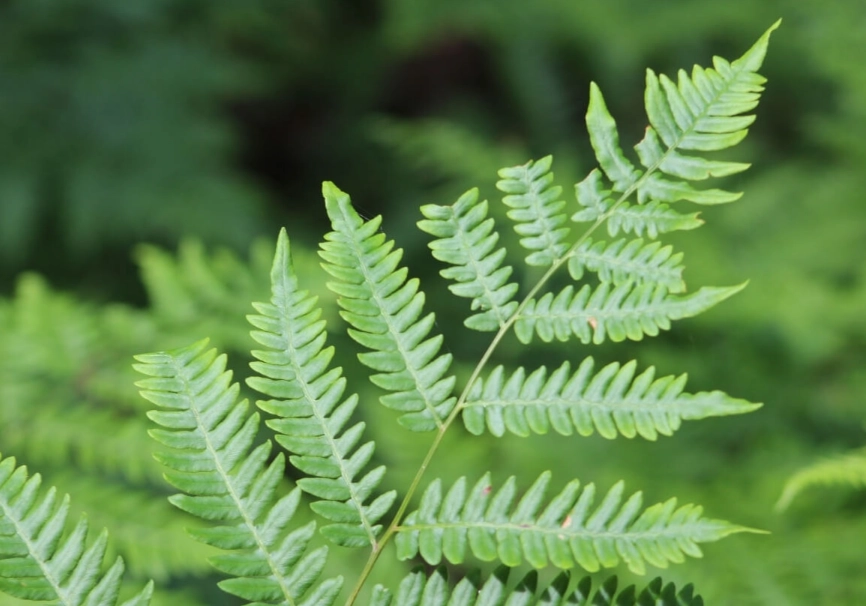
I learned this the hard way in a wet meadow in Oregon. I’d been squinting at tiny flowers for twenty minutes when a botanist friend grabbed a leaf, rolled it between her fingers, and said “smell that—square stem, opposite leaves, Lamiaceae.” Done. No key needed. That’s the power of family-level thinking.
The other reason to skip species: families are stable. Taxonomists argue about species boundaries all the time, but the big families—Asteraceae, Fabaceae, Lamiaceae, Rosaceae, Brassicaceae, Apiaceae—rarely budge. Learn those six and you’ve covered roughly 40% of what you’ll encounter in temperate zones.
The 6 Families You’ll Meet Every Week
Let’s cut the fluff. These are the ones that show up on every walk, every hike, every neglected garden bed. I’ve ranked them by how often I’ve had to correct someone’s guess in the field.
Field Clues That Actually Separate Them
Forget memorizing floral formulas. Use these three quick checks in order:
- Stem cross-section: Square = Lamiaceae (mint). Round with ridges = Apiaceae (carrot family). Round and smooth = most others.
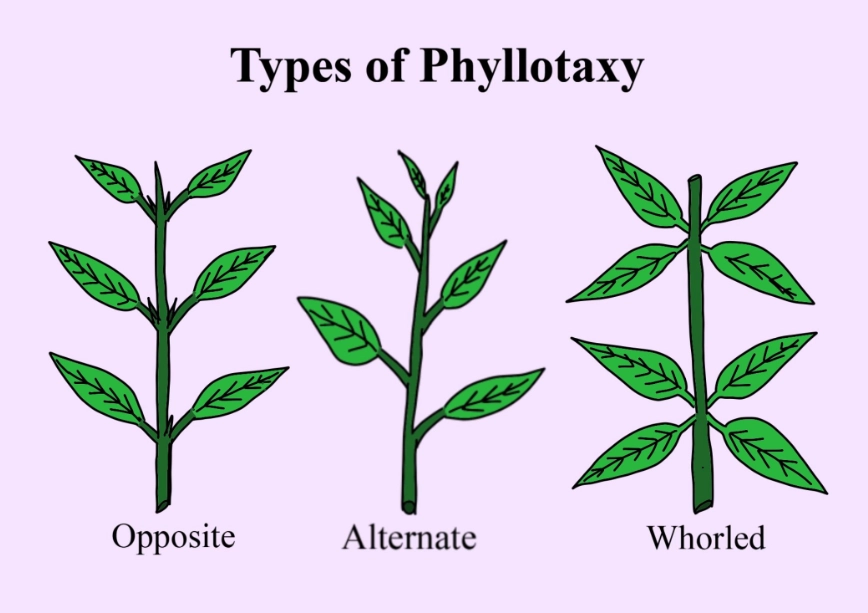
- Leaf arrangement: Opposite pairs = mint, nettle, and some others. Alternate = most. Whorled = a few special cases.
- Flower symmetry: Radial (star-shaped) vs. bilateral (pea-like). Fabaceae is almost always bilateral. Asteraceae can be either, but the involucre bracts seal it.
Here’s a table that condenses the non-negotiable differences. I keep this in my field notebook.
| Family | Flower Clue | Leaf Arrangement | Stem Clue |
|---|---|---|---|
| Asteraceae | Composite head with bracts | Alternate or opposite | Round, often hairy |
| Fabaceae | Pea-like (bilateral) | Alternate, compound | Round, sometimes twining |
| Lamiaceae | Two-lipped, tubular | Opposite | Square |
| Rosaceae | 5 petals, many stamens | Alternate, often serrated | Round, sometimes thorny |
| Brassicaceae | 4 petals in cross | Alternate | Round, smooth |
| Apiaceae | Umbel clusters | Alternate, dissected | Ridged, hollow |
Three Rookie Mistakes I See Every Season
1. Ignoring the stem when the flower is pretty. I’ve seen people call a dead-nettle a foxglove because the flowers looked similar. Dead-nettle has a square stem, foxglove has a round one. Stem first, flower second.
2. Assuming all umbels are safe. The carrot family includes poison hemlock and water dropwort. Both deadly. My rule: if it has an umbel and purple blotches, back away. No exceptions. I’ve had to physically stop a foraging workshop participant from picking hemlock. Not a fun afternoon.
3. Over-relying on leaf shape. Leaves vary wildly within a family. Rose leaves can be simple or compound; mint leaves can be tiny or broad. Use leaves as a secondary clue, not the primary one. The flower structure and stem are your anchors.
Real Questions from the Trail
This article was field-checked against the Royal Botanic Gardens, Kew’s plant family profiles and my own field notes from temperate regions across North America and Europe. No plant was tasted during verification.

Comment desk
Leave a comment