I still remember the first time I dug up a potato plant. I stared at the lumpy, swollen thing in my hand and thought, “Wait, that's not a root?” Took me years to fully sort out the different types of plant stems — and I wasn't alone. Most field guides breeze past the weird ones. This breaks down the seven you'll actually encounter, including the ones that look like roots but aren't.
📍 Quick Nav: What's Inside
What Makes a Stem a Stem? (The 3 Rules I Use)
Forget the textbook diagram for a second. A stem has three non-negotiable features. If even one is missing, you're probably looking at something else.
Nodes and internodes. Nodes are the little bumps where leaves or buds attach. Internodes are the stretches between them. No nodes? Not a stem. This alone rules out most roots.
Buds. Look for tiny growing points at the nodes or the tip. A stem without a bud is like a phone with no charger port — useless for new growth. Even dormant buds count.
Leaf scars. Where a leaf fell off, you'll often see a scar. Some stems (like horse chestnut twigs) have big, obvious scars shaped like a monkey face. That's your confirmation.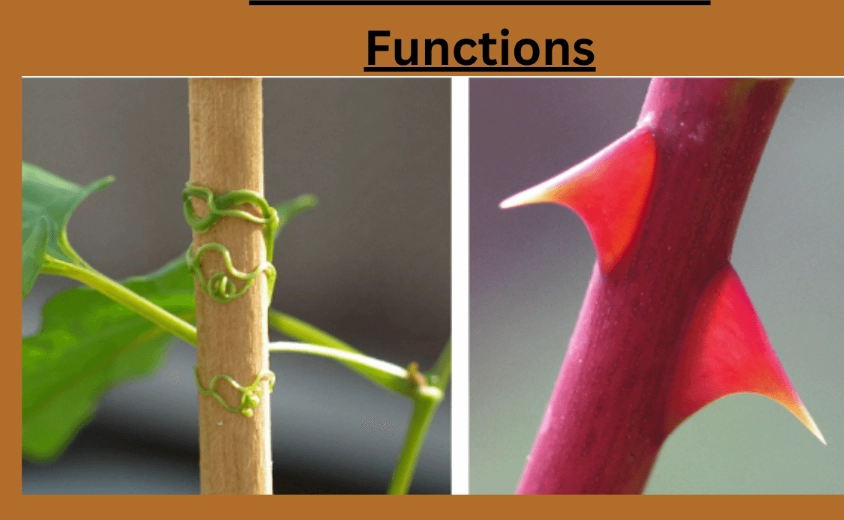
💡 Going against the grain: Everyone tells you “stems grow upward, roots grow downward.” That's a lazy shortcut. Stolons and rhizomes run horizontally. Some roots, like buttress roots, shoot straight up. Direction tells you almost nothing.
The 7 Types of Plant Stems (With Real Examples)
I've grouped these by how they look and where they grow. The table below is the cheat sheet — the details after it are where things get interesting.
| Type | Key Feature | Classic Example | Where You'll See It |
|---|---|---|---|
| 1. Herbaceous | Soft, green, dies back each season | Tomato, basil, peony | Vegetable beds, flower borders |
| 2. Woody | Hard, lignified, persists year-round | Oak, maple, rose bush | Forests, hedges, orchards |
| 3. Modified stems (runners/stolons) | Horizontal above ground, roots at nodes | Strawberry, spider plant | Garden beds, hanging baskets |
| 4. Rhizomes | Horizontal underground, thick, fleshy | Ginger, iris, bamboo | Spice racks, perennial borders |
| 5. Tubers | Swollen, underground, no nodes | Potato, yam | Root cellars, grocery stores |
| 6. Bulbs | Fleshy leaf layers on a short stem base | Onion, tulip, garlic | Kitchen, spring gardens |
| 7. Cladodes (modified for photosynthesis) | Flattened green stems that look like leaves | Prickly pear cactus, asparagus | Deserts, vegetable patches |
Herbaceous vs. Woody: The Real Difference (It's Not Just “Soft vs. Hard”)
New gardeners often think herbaceous means “annual.” Wrong. Peonies are herbaceous and come back for decades. The real difference is lignin — a complex polymer that stiffens cell walls. Woody stems pack in lignin; herbaceous ones don't. That's why you can snap a tomato stem by hand but need loppers for a rose cane.
Personal observation: Once I checked the cross-section of a dead tomato stem versus a dead oak twig. The tomato was hollow and papery. The oak had a dense, solid core. That single test — how the stem feels when it dries — tells you which type you're dealing with.
Runners and Rhizomes: The Horizontal Stem Trick
Here's where people get tripped up. A strawberry runner looks like a vine. It's not. It's a stem that creeps along the soil surface and roots at its nodes. Same story with spider plants — those dangling babies are on modified stems, not vines.
Rhizomes are the underground version. Ginger is the most reliable example I know. Break a piece of ginger and look at the surface — you'll find faint rings (nodes) and tiny buds. That's a stem, not a root. Iris and bamboo also spread via rhizomes. I once made the mistake of planting mint in a raised bed without a barrier. Its rhizomes tunneled everywhere. Took two seasons to fully remove.
❌ Wrong move: Treating a potato as a root. It's a tuber — a modified stem. That's why you can plant a chunk with an “eye” (bud) and get a new plant. Root crops like carrots can't do that.
Tubers and Bulbs: The Underground Confusion
Potatoes and yams are tubers — swollen underground stems with nodes (the “eyes”). Bulbs like onions and tulips are layers of fleshy leaves attached to a short basal stem. Cut an onion in half: those layers are modified leaves, not stem tissue.
Why does this matter for a gardener? Tubers have buds you can divide. Bulbs have a basal plate that grows roots. If you cut a bulb too high, it dies. Tubers are more forgiving. I've sliced seed potatoes into pieces with two eyes each and gotten full plants. That's a stem feature.
Cladodes: The Stem That Fakes Being a Leaf
Prickly pear cactus pads look like big green leaves. They're not. They're flattened stems called cladodes. The actual leaves are tiny and fall off early. Those spines? Modified leaves at nodes.
Asparagus is a more relatable example. The edible spears are young stems. The feathery “ferns” that grow later? Those are also modified stems. Once you see it, you can't unsee it.
How to Tell a Stem from a Root: A 10-Second Trick
Grab a hand lens or zoom in with your phone. Look for nodes and buds. Roots have neither. They may have tiny root hairs, but no buds. Also, roots tend to branch from the inside out (endogenous origin), while stems branch from the surface (exogenous). You can't see that without a microscope, but the presence or absence of nodes is your quick field test.
One more: stems usually have a pith in the center (or a hollow cavity). Roots often have a solid core. Snap a twig from a living plant — if it's green and has a soft center, it's likely a stem.
Common Identification Mistakes (I Made Most of These)
Thinking ginger is a root. (It's a rhizome.) Thinking potato is a root. (It's a tuber.) Calling a strawberry runner a vine. (It's a stolon.) For years I lumped all underground storage organs as “roots.” A good reference from the Royal Horticultural Society helped me separate them properly — their plant morphology pages are solid.
Another subtle error: assuming all green stems are herbaceous. Some young woody stems (like maple saplings) are green and soft. They harden with age. Wait a season before you label them.
✅ Practical tip: If you're dividing perennials this fall, check for nodes on the underground parts. Rhizomes (iris, ginger) can be cut with a sharp knife, as long as each piece has at least two nodes. Tubers (potato, yam) need at least one “eye.” Bulbs need a basal plate. That one check saves you from killing the plant.
What Gardeners Actually Ask About Stems
This article has been fact-checked against botanical descriptions from the Royal Horticultural Society and the Botanical Society of America.
Comment desk
Leave a comment