Jump to what you need
Every spring, I watch neighbors blow $200 on flats of petunias. By August, half are leggy and mildewed. Meanwhile, my five-year-old coneflowers are just hitting their stride. So which is better—annual vs perennial plants? The honest answer depends on what you value: instant color or long-term savings. I’ve killed plenty of both, and here’s what actually matters.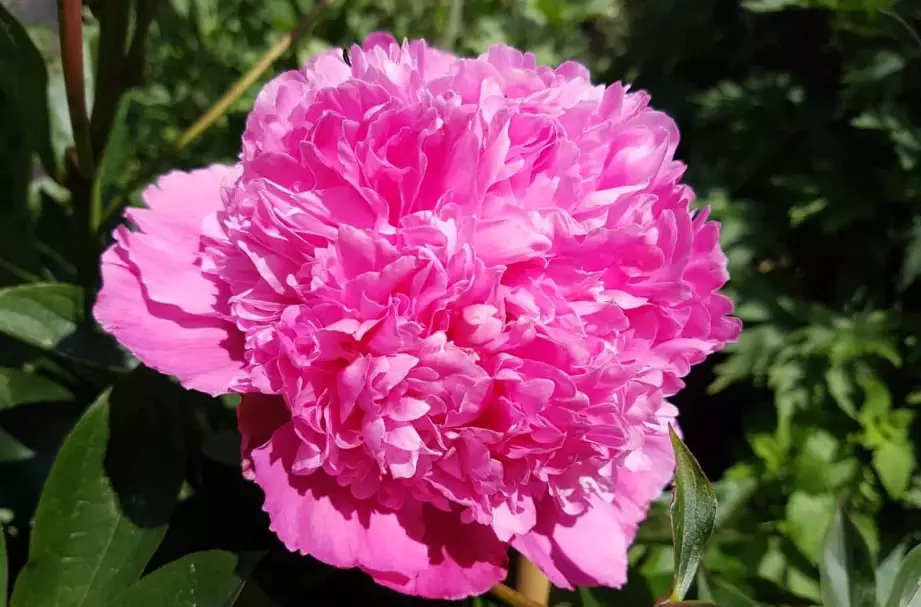
The Real Cost of Annuals vs Perennials
Annuals are like renting a sports car. Perennials are buying a used sedan. Let’s talk numbers.
| Factor | Annuals | Perennials |
|---|---|---|
| First-year cost (per plant) | $3–$8 (seedlings) or $1–$3 (seeds) | $8–$25 (potted) |
| Repeat cost each year | 100% (or self-seeding, ~50%) | $0 after established |
| Bloom window | 4–6 months continuous | 2–4 weeks (some rebloomers last longer) |
| Labor per season | Plant, water, deadhead, replace | Divide every 3–4 years, cut back |
| Lifespan | One season (or one year) | 3+ years (many 10–20) |
Here’s the trap: that $4 six-pack of marigolds feels cheap. But if you plant 20 of them every year for five years, you’ve spent $400. A $15 perennial that lives a decade breaks down to $1.50 per year. The break-even point usually hits by year two or three.
My costly mistake: I once planted 30 impatiens in a shady bed. Slugs destroyed them by July. Replacing them cost another $90. That fall, I switched to hardy geraniums—one $12 plant that came back bigger each spring. Lesson learned.
Maintenance Reality: My Backyard Test
Don’t let anyone tell you perennials are “plant and forget.” They’re not. But annuals are needier.
Watering
Annuals have shallow roots and gulp water. In my raised beds, petunias need a deep soak every other day during July. My perennials (yarrow, sedum, rudbeckia) get by on once a week. That’s a real time saver.
Deadheading and pruning
Annuals like cosmos and zinnias bloom harder if you snip spent flowers weekly. Skip it and they fizzle. Perennials need one big cutback in late fall or early spring—done.
Pest pressure
Impatiens downy mildew wiped out whole beds in my neighborhood two summers ago. Annuals have no genetic resistance—they’re uniform clones. Older perennial varieties (like native Echinacea pallida) laugh off most pests. That’s a non-consensus point: newer annual cultivars bred for color often sacrifice toughness.
“I’d rather buy one $20 perennial than five $5 annuals,” a retired extension agent told me. “The perennial’s roots go deeper. It survives a heatwave without you.”
When to Choose Each (with Real Scenarios)
Don’t pick a side based on internet arguments. Pick based on your actual situation.
Choose annuals if: you rent and might move, you need instant curb appeal for a party, you garden in a cold climate (zone 3) and want tropical plants like impatiens, or you’re filling a new bed and want to smother weeds.
Choose perennials if: you plan to stay put for 3+ years, you hate replanting every spring, you want early-season pollinators (many native perennials feed bees in April), or you’re on a tight budget long-term.
But here’s the nuance: annuals aren’t wasteful if you let them self-seed. My calendula and nigella come back every year from dropped seed—zero dollars, zero effort. Perennials aren’t free either: a $25 heuchera that dies in heavy clay soil is money burned. Check your soil pH and drainage first. I learned that the hard way with a $30 delphinium that rotted in a wet spot.
Design Tricks That Mix Both
I don’t plant one or the other. I layer them.
- Perennial backbone: shrubs and long-lived perennials (peonies, daylilies) give structure.
- Annual filler: tuck in sweet alyssum or vinca between perennials for continuous color gaps.
- Self-seeding annuals as groundcover: nasturtiums and borage fill empty spots for free.
- Containers: go heavy on annuals—they don’t need to survive winter.
One trick I stole from a botanical garden: plant early-blooming perennials (creeping phlox) with late-blooming annuals (dahlias). The bed never looks empty. And always check the plant tag’s hardiness zone—many “perennials” sold in big-box stores are actually tender perennials that die below zone 7.
Answers from 10 Years in the Dirt
My soil is terrible clay—will perennials even survive?
Most won’t, unless you amend. But a few tough ones do: switchgrass, black-eyed Susan, and asters. Annuals often struggle too. The real fix is a $15 bag of compost worked into each planting hole. Clay holds water, so plant on a slight mound. I killed three $20 heucheras before figuring that out.
Do annuals come back if I let them drop seed?
Some do—marigolds, cosmos, cleome, and poppies self-seed reliably. But hybrids often revert to weaker forms. And slugs love seedlings. I let a patch of calendula go wild; it came back thick, but powdery mildew hit in humid August. Thin seedlings to 8 inches apart for airflow.
Is it cheaper to start annuals from seed indoors?
Yes, if you have a sunny window and $20 for seed-starting mix plus a light. A $3 packet of zinnia seed yields 30 plants—versus $12 for six transplants. But factor in your time: six weeks of watering and rotating trays. For busy people, buying starts is a fair trade.
What’s the biggest mistake beginners make with perennials?
Buying tender perennials (like lantana or coleus) and thinking they’ll overwinter in zone 5. Read the tag. If it says “hardy in zones 9–11,” treat it as an annual. I see this every spring. Also, don’t plant perennials too deep—crowns rot.
After a decade of trial and error, my rule: annuals for quick thrills, perennials for long-term sanity. Mix them. And always check the hardiness zone before you fall for a pretty bloom.
Fact-checked against USDA hardiness zone data and extension office guidelines.
Comment desk
Leave a comment