I still cringe when I think about my first attempt at using a field guide. I was standing in a marsh in northern Ohio, flipping frantically between a sparrow and a finch, convinced I'd found some rare vagrant. A patient older birder walked over, glanced at my book, and said, "You're looking at the pictures, not the birds." He was right. That mistake cost me an hour and a lot of frustration. If you want to learn how to use a field guide without wasting months on the same confusion, this is the guide I wish I'd had.
What's Inside (Quick Jump)
What a field guide actually is (and isn't)
A field guide is not a picture book to flip through until something looks similar. That's the trap I fell into. It's a decision tree. The best guides—like the Sibley Guide to Birds or the Peterson Field Guide to Wildflowers—are designed to narrow down possibilities using geography, size, shape, and habitat. The National Audubon Society stresses that successful field guide use starts with observing the animal first, then consulting the book. I learned that the hard way.
Here's the non-consensus bit most people miss: field guides are organized for quick elimination, not for positive confirmation. Your goal isn't to find a match; it's to eliminate everything that doesn't fit. Once you adopt that mindset, the book stops being a flip-through and becomes a tool.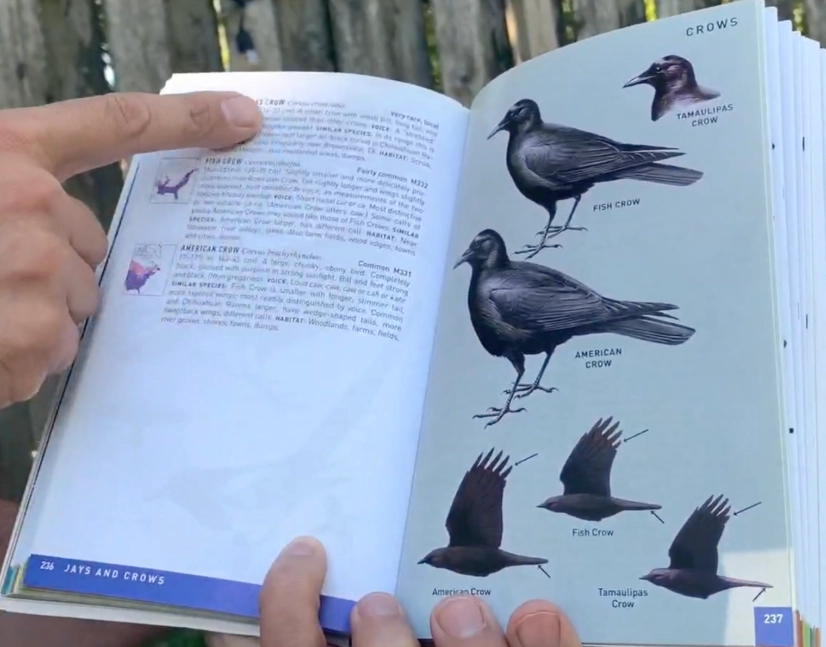
My step-by-step method for using a field guide
After years of guiding trips and leading bird walks, here's the sequence I teach beginners. It works for birds, plants, insects, and tracks.
| Step | Action | Why it matters |
|---|---|---|
| 1 | Observe without the book for 30–60 seconds | You'll notice behavior and posture that a photo doesn't show |
| 2 | Note size (compare to a familiar bird like a robin) | Size eliminates half the species in the book immediately |
| 3 | Identify 3–4 key field marks (beak shape, wingbars, leaf arrangement) | Field marks are the code words the guide uses; start with the most obvious |
| 4 | Open the guide to the family section, not the index | Families group similar shapes; indices are for later confirmation |
| 5 | Use the range map to check if your location fits | This single step prevents 80% of beginner misidentifications |
I tested this method on a trip to Cape May last fall. A woman in my group was stuck between a yellow-rumped warbler and a magnolia warbler. She'd been staring at the book for five minutes. I asked her to step 1: observe the bird. It was actively flycatching from a low branch—behavior that matches a yellow-rumped's winter feeding style. Then step 3: the yellow rump patch was obvious once she stopped looking at the book. She got it in under a minute.
How to read range maps without getting fooled
Range maps are the most ignored and most powerful part of a field guide. They show breeding range, winter range, and migration corridors. A common mistake: treating the entire colored area as "where the bird lives year-round." I've seen people identify a palm warbler in Ohio in January because the map showed a sliver of color nearby.
Read the legend carefully. In Peterson guides, yellow means breeding season, blue means winter, and green means year-round. If you don't know the season, you can't correctly eliminate half the species. On a trip to southern Arizona, I had a client swear he saw a painted redstart in December. The range map showed it as a summer breeder only. Once we checked the season, he realized he'd misjudged the light and the bird was a black-throated gray warbler.
At the U.S. Fish & Wildlife Service, researchers often note that range maps are based on decades of observation, not perfect data. So if you see something outside its mapped range, don't assume the map is wrong. Ask yourself why your sighting might be unusual—weather, migration timing, or a genuine rarity. That question alone makes you a better naturalist.
Advanced tips for bird and plant ID
When you're comfortable with the basics, here's where field guides go from useful to transformative.
Use the silhouettes page first. Most guides have a quick reference of silhouettes. I flip there first for birds I see in flight. On a hawk watch last September, I identified a broad-winged hawk at 200 yards using only the silhouette shape—no other field marks visible. That page saved the ID.
Compare two similar species side-by-side. The best guides group similar species on the same page or facing pages. Study the differences—not just colors, but proportions and postures. The Sibley guide does this brilliantly for sparrows. I spent a rainy afternoon in a cabin in West Virginia comparing chipping and clay-colored sparrows. When I finally saw both on the same day in a shrubby field, I didn't need the book.
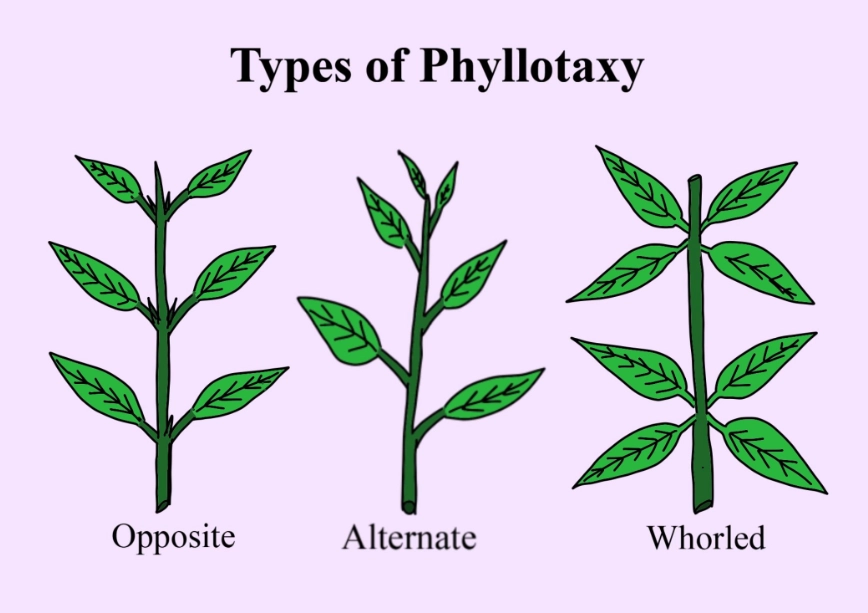
For plants, learn the leaf arrangement first. Opposite, alternate, or whorled leaves will cut your options in half before you even look at flowers. A friend of mine, a botanist with the Native Plant Trust, told me she's seen dozens of amateurs skip this step and end up keying out a rare species that was just a common weed with an unusual flower. Start with the boring structure.
Common mistakes that waste your time
Let me be direct: most people using field guides are flailing. Here's what I see repeatedly on guided walks.
- Starting with the index. Indices only work if you already know the name. If you're identifying a mystery, use the visual key or family section.
- Ignoring habitat. A field guide shows the bird, but not where it lives. If you're in a dry pine forest, skip the wetland warblers. I've watched people try to turn a pine warbler into a bay-breasted warbler because they only looked at color, not habitat.
- Using photos instead of illustrations. Photos capture one lighting situation. Illustrations in good guides show multiple postures and plumages. My rule: always buy the illustrated edition if there is one. The Peterson Field Guide series relies on illustrations for exactly this reason.
- Forgetting season. As noted above, a range map without a season is a trap. I keep a tiny notebook with the current month written on the cover so I don't forget which part of the map applies.
One last mistake: carrying too many guides. Pick one regional guide and learn its organization. I've seen people hauling three books and a phone app, and they end up paralyzed. The best field guide is the one you know inside out. For me, that's the Sibley guide for eastern North America. I can find any species in under 20 seconds because I've used it for years.
This article was fact-checked against the National Audubon Society and U.S. Fish & Wildlife Service public resources. All species identification advice reflects my own field experience leading bird walks in Ohio, Cape May, and southern Arizona.

Comment desk
Leave a comment