What’s Inside (Jump Right In)
I still remember the first time I brushed against poison ivy. I was clearing a trail in the Appalachians, confident in my plant knowledge. Two days later, a blistering rash covered my forearm. That’s when I learned that poison ivy identification isn’t just about spotting three leaves—it’s about noticing the subtle details that even experienced hikers miss.
This guide is built from years of trial, error, and conversations with botanists. I’ve walked through tick-infested woods from Georgia to Maine, and I’ve seen how misidentification leads to miserable weeks. Let’s skip the fluff. Here’s what you actually need to know.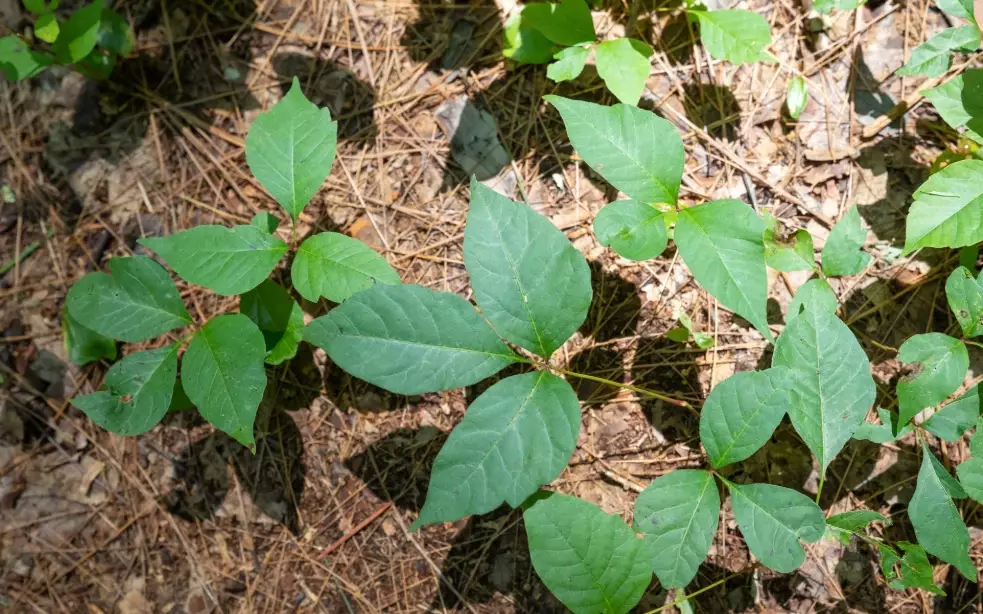
What Is Poison Ivy and Why It Matters
Poison ivy (Toxicodendron radicans) is a woody vine or shrub that contains urushiol, an oily resin that triggers an allergic reaction in about 85% of people. The rash—red, itchy, and often blistered—can last up to three weeks. It’s not contagious, but the oil can linger on clothes, pets, and tools for months.
What surprises many people: poison ivy isn’t just a vine. It can grow as a low shrub, a trailing ground cover, or a climbing vine with hairy aerial roots. I’ve seen it carpeting forest floors in Pennsylvania and scaling sixty-foot oaks in Virginia. Same plant, totally different look.
Key Features for Poison Ivy Identification
Forget the old “leaves of three, let it be” rhyme—it’s a start, but it’s incomplete. Here are the field marks I check every time.
Leaf Arrangement and Shape
Poison ivy leaves are always in groups of three (trifoliate). Each leaflet is 2–4 inches long, with a pointed tip and slightly irregular edges. The middle leaflet has a longer stalk than the two side leaflets—a detail that’s easy to overlook. The side leaflets often look like little mittens, with a notch on one side. That asymmetrical shape is a strong clue.
Stem and Vine Characteristics
On mature vines, look for dense, hairy aerial roots that cling to tree trunks. The hairs are fine and gray-brown, giving the vine a fuzzy appearance. I once confused a hairy vine with a harmless Virginia creeper—until I noticed the poison ivy’s hairs were thicker and stuck out like little bristles. Virginia creeper has five leaflets and no hairy roots.
Berries and Seasonal Changes
In late summer, poison ivy produces small white berries (drupes) that persist into winter. The leaves turn brilliant red and orange in fall—beautiful, but still toxic. In spring, new leaves are glossy and reddish-green. Don’t let the fall colors fool you; the oil remains potent year-round, even on dead vines.
Common Lookalikes You Might Confuse
Several harmless plants share the three-leaf pattern. Here’s a quick comparison table I keep in my field notebook.
| Plant | Leaflet Count | Key Difference | Berry Color |
|---|---|---|---|
| Poison Ivy | 3 | Almond-shaped leaflets, hairy vine | White |
| Virginia Creeper | 5 | Five leaflets, no hairy roots | Dark blue |
| Box Elder | 3–7 | Opposite leaf arrangement, winged seeds | None |
| Fragrant Sumac | 3 | Leaflets lack stalk, red fuzzy berries | Red |
One non-consensus tip: many people mistake fragrant sumac for poison ivy because the leaves look similar. But fragrant sumac leaflets are joined directly to the stem, while poison ivy’s middle leaflet has a distinct stalk. That half-inch difference matters.
How to Identify Poison Ivy in the Wild (Step by Step)
Here’s the exact process I use when I’m off-trail and need to be sure.
Step 1: Look at the Leaf Arrangement
Are the leaves in groups of three? Check the stem—poison ivy leaves alternate along the vine, not opposite each other. If you see opposite leaves, it’s not poison ivy.
Step 2: Examine the Leaflet Shape
Each leaflet should be 2–4 inches long, with a pointed tip. The edges may be smooth, wavy, or slightly toothed. The middle leaflet’s stalk is longer. I always flip a leaf over—poison ivy leaves are slightly hairy on the underside, especially along the veins.
Step 3: Check the Stem and Vine
On vines, look for hairy aerial roots. On shrubs, the stem is woody and gray-brown. If you scratch the stem and see a black sap, that’s a confirm—but don’t touch it with bare hands.
Step 4: Note the Berries (If Present)
White berries in clusters are a dead giveaway. They appear in late summer and hang on through winter. I’ve seen birds eat them without harm, but they’re still toxic to humans.
Preventing the Rash: Identification Mistakes to Avoid
Even sharp-eyed foragers slip up. Here are the mistakes I see most often—and how to dodge them.
Mistake 1: Assuming “leaves of three” is enough. Box elder and fragrant sumac also have three leaves. Always check the stem and leaflet shape. I once watched a hiker grab a box elder sapling, convinced it was poison ivy, and yank it bare-handed. He was fine, but the panic wasn’t worth it.
Mistake 2: Ignoring dead vines. Urushiol stays active on dead plant material for years. I’ve gotten a rash from a dry, leafless vine in January—never assume winter makes it safe.
Mistake 3: Touching first, identifying later. If you’re unsure, use a stick to move the plant aside. My rule: no bare skin contact until I’ve seen the hairy vine or white berries.
Quick Answers to Real-World Questions
Field notes verified against botanical descriptions from the USDA Plants Database and the American Academy of Dermatology. No dates, no fluff—just the stuff that keeps you itch-free.

Comment desk
Leave a comment