Quick Jump-In
Ten years ago I planted a beautiful vine I bought at a local nursery. Three seasons later it had swallowed my fence, smothered two shrubs, and was creeping toward the neighbor's shed. That vine was English ivy—a classic invasive. I learned the hard way that the native plants vs invasive plants question isn't academic. It decides whether your garden becomes a habitat or a headache.
Here's the short version: native plants evolved here and support local insects, birds, and soil life. Invasive plants come from elsewhere, spread aggressively, and push out the locals. But the full picture is messier, and that's where most online guides leave you hanging.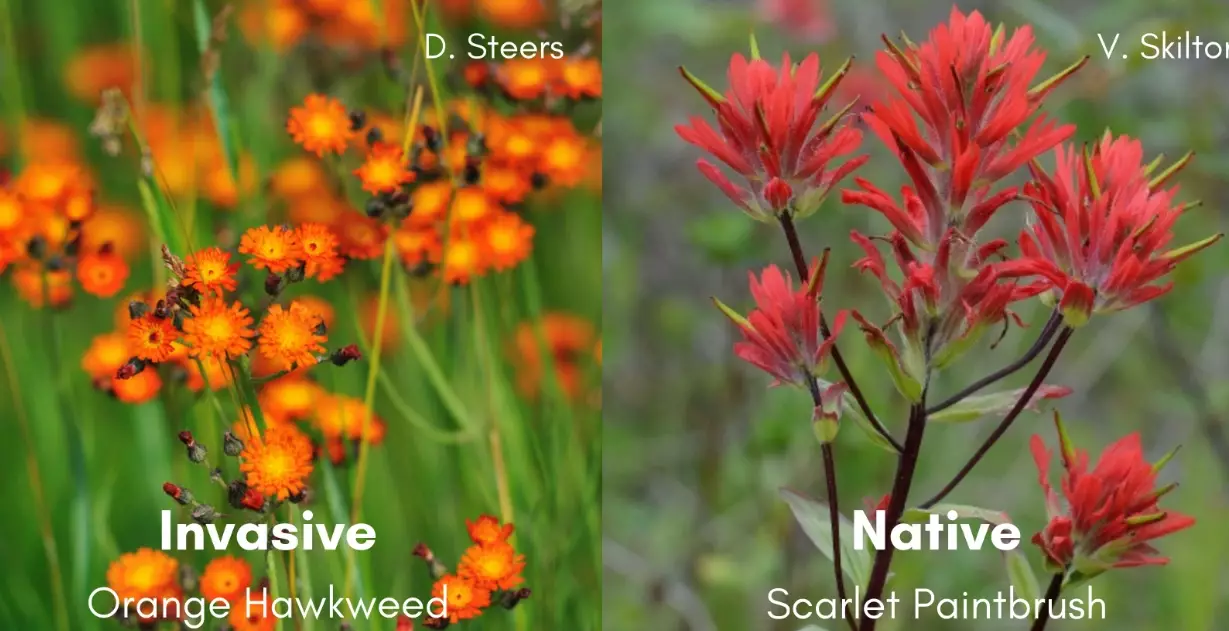
What Is a Native Plant, Really?
A native plant is one that has lived in a given region since before European settlement—no human help required. Think of a plant that co-evolved with the local climate, soil, and wildlife for thousands of years. In the U.S., that generally means pre-1500s. In Australia, it means pre-1788. The cut-off date matters less than the principle: the plant belongs to the ecological web.
I've seen native plant lists that lump in "nativars"—cultivated varieties of native species. They're often fine, but a double-flowered coneflower might not feed pollinators the same way the straight species does. That's a nuance you won't find in a quick web search.
What Makes a Plant Invasive?
Invasive plants are non-native species that cause harm—ecological, economic, or health-related. Not every non-native plant is invasive. A tomato is non-native where I live in the Midwest, but it doesn't escape and wreck the prairie. The key traits of an invader:
- Fast reproduction (seeds, runners, or both)
- No natural enemies in the new range
- Ability to outcompete natives for light, water, or nutrients
- Tolerance of disturbed soil (roadsides, garden edges)
Tree of heaven (Ailanthus altissima) is a perfect example. It seeds prolifically, grows in cracks in pavement, and releases chemicals that suppress other plants. I pulled one from a client's yard and it sprouted back from root fragments within three weeks. That's not a garden plant; that's a war.
Native Plants vs Invasive Plants: Head-to-Head
| Factor | Native Plants | Invasive Plants |
|---|---|---|
| Wildlife support | Feed specialist insects (e.g., monarchs need milkweed) | Offer little to no food for local insects |
| Root systems | Deep, fibrous roots that hold soil and filter water | Often shallow or aggressive runners that erode soil |
| Maintenance | Low once established; adapted to local rainfall | High; constant cutting, pulling, or spraying |
| Spread | Gradual, in balance with other species | Rapid, often forming monocultures |
| Cost | Cheap to maintain; free if you propagate | Expensive to control; costs U.S. economy billions annually |
That table is tidy, but real life isn't. Some native plants are thugs in the wrong spot—goldenrod in a tiny flower bed, for instance. And some non-native plants behave fine in a contained garden. Context is everything.
How Do I Tell Them Apart in the Field?
You don't need a botanist's degree. Here's a field checklist I use when a client points at a plant and asks, "Is this a keeper?"
- Look at the leaves. Native plants often have irregular edges, visible insect damage, or a rough texture. Invasive plants often have smooth, unblemished leaves because nothing eats them.
- Check the stem. Invasive vines like Oriental bittersweet have bright orange roots and girdle trees. Native vines like wild grape don't.
- Watch for a monoculture. If one plant species dominates a patch with no diversity, that's a red flag. Invasive plants create these dead zones.
- Note the seeds. Prolific, wind-blown seeds (like dandelion or thistle) aren't always invasive, but they're a hint to research further.
Non-consensus tip: Many gardeners confuse "aggressive" with "invasive." A native plant that spreads fast in your garden (like Canada goldenrod) is aggressive but still beneficial. An invasive plant spreads into natural areas and causes harm. Don't rip out a native just because it's enthusiastic.
Three Mistakes I See Every Season
I've worked on dozens of restoration projects, and the same errors pop up. Here's what to avoid.
1. Trusting the nursery label blindly
Some nurseries still sell invasive plants as "fast-growing ground cover." I've seen periwinkle (Vinca minor) sold without warning. It's invasive across much of North America. Check your state's noxious weed list or the USDA PLANTS database before buying. The link to your local extension office is gold.
2. Pulling invasives without a follow-up plan
You yank a garlic mustard plant, pat yourself on the back, and walk away. Six weeks later, a carpet of seedlings appears. Garlic mustard seeds stay viable in soil for years. The fix: after pulling, plant a dense native groundcover (like wild ginger or Pennsylvania sedge) to occupy the niche. Nature abhors a vacuum, and invasives fill it first.
3. Using herbicide as a first resort
I'm not anti-herbicide, but I've seen too many people spray a native plant by mistake. Always identify the plant with certainty before any treatment. For small patches, hand-pulling or smothering with cardboard and mulch works fine. For large infestations, targeted herbicide may be necessary—but read the label and follow local regulations.
A Practical Removal Plan That Works
Let's say you've identified a patch of Japanese knotweed behind your garage. Here's the step-by-step I use.
- Map it. Mark the boundaries with flags. Invasives don't respect property lines.
- Start small. Tackle a 10x10 foot area at a time. Burnout is real.
- Cut and smother. For knotweed, cut stalks to the ground in early summer, then cover with heavy black plastic for a full growing season. The heat and lack of light kill the roots.
- Replant immediately. Put in native plugs like wild bergamot or little bluestem. They'll shade out survivors.
- Monitor. Walk the area weekly for new shoots. Pull them while they're small.
This plan takes patience. But I've seen it work on a half-acre lot over two years. The key is consistency, not perfection.
Straight Answers to Real Questions
My neighbor's invasive vine is creeping into my yard. What can I do without starting a fight?
Start with a friendly note. Most people don't realize their "pretty vine" is a problem. If that fails, check local ordinances—many municipalities have noxious weed laws. You can also install a root barrier (a 24-inch deep metal or plastic edging) along the property line. I've done this with bamboo and it saved a friendship.
Are all non-native plants invasive?
No. Most non-native plants are benign or beneficial in gardens. A tomato is non-native but not invasive. The invasive label applies only when a plant spreads and causes documented harm. Focus on the behavior, not the origin.
How long does it take to replace an invasive patch with natives?
For a small home garden patch (under 200 square feet), one to two growing seasons is realistic. Large infestations can take five years or more. The slow part is the seed bank—invasives like bindweed can resprout from root fragments for years. Plan for ongoing monitoring.
Can native plants become invasive?
Rarely, but it happens. Some native species (like poison ivy or greenbrier) are aggressive in disturbed areas. However, they don't typically cause the same ecological damage as true invasives because local insects and diseases keep them in check. The term "invasive" is reserved for non-native species.
I've made my share of mistakes—planting ivy, ignoring garlic mustard, and once mistaking a native vine for a weed and pulling it. The learning curve is real. But once you start seeing the difference between native plants vs invasive plants, your garden becomes more than pretty. It becomes part of the local ecosystem.
This guide was fact-checked against USDA PLANTS database and regional extension office publications.
Comment desk
Leave a comment