Most people jump straight to a plant app, snap a leaf, and trust whatever pops up. I did that for years. Then I started keeping a field notebook and realized plant identification by leaf works best when you slow down and read the leaf like a story — not a single snapshot. The shape is only the opening line. The margin, vein pattern, texture, and even the smell of a crushed leaf often decide the answer.
This guide is built from my own messy mistakes, plus hundreds of hours comparing lookalikes in gardens and woodland edges. You'll get the exact traits that matter, a simple checklist, and the specific traps that trip up beginners.
Quick scan before you pick a leaf
Leaf Traits That Actually Matter
Leaf shape gets all the attention. It's also the most misleading trait. Two plants can share a heart-shaped leaf and belong to totally different families. What separates them? The small stuff.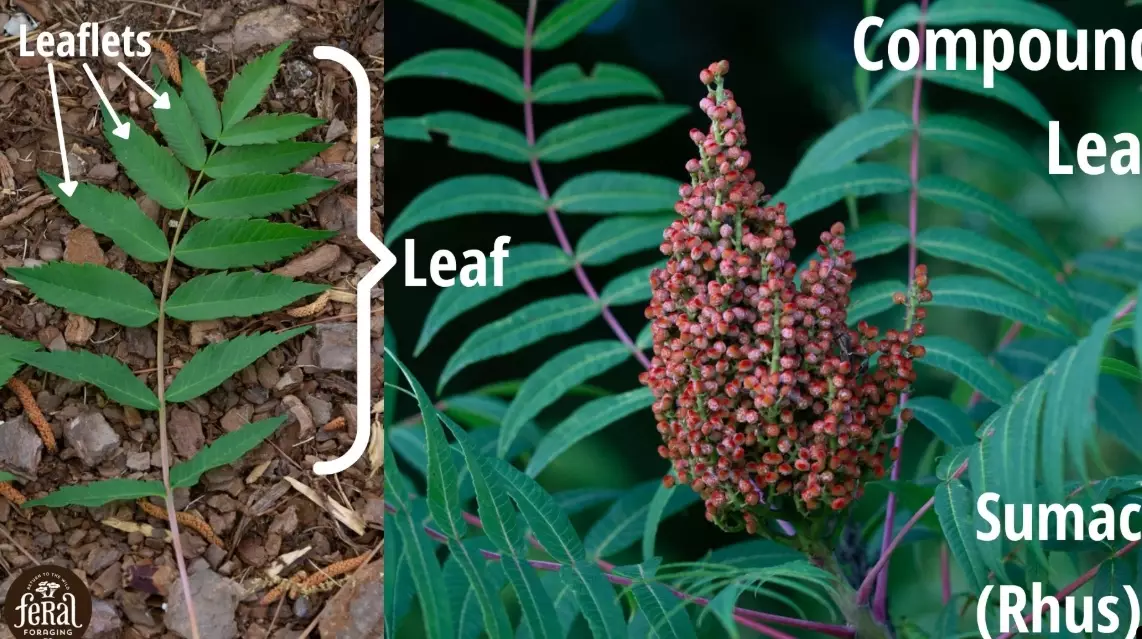
Here's what I check, in order:
- Margin (edge): Smooth, toothed, or lobed. Toothed edges often point to roses or nettles. Smooth edges? Could be dogwood or magnolia. But don't stop there.
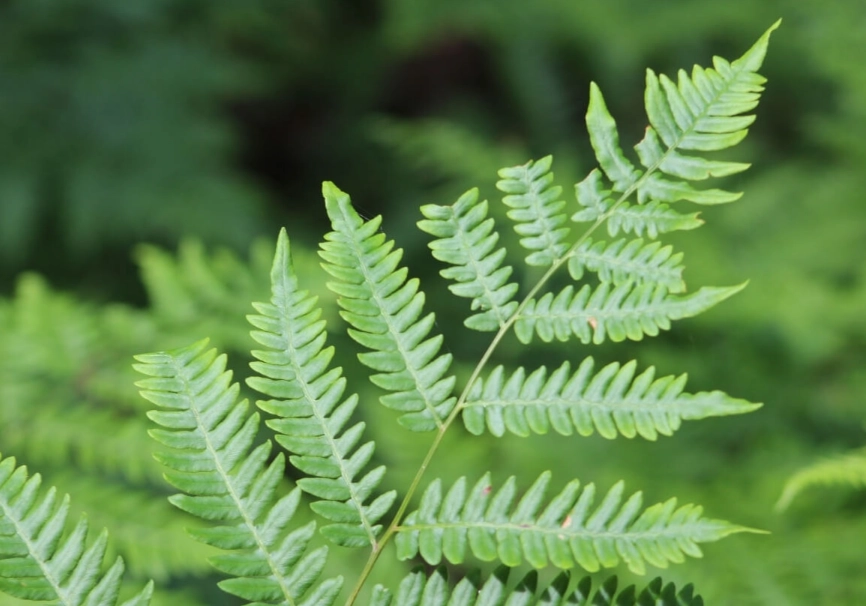
- Vein pattern: Pinnate (feather-like) vs. palmate (hand-like). This single trait rules out whole groups fast.
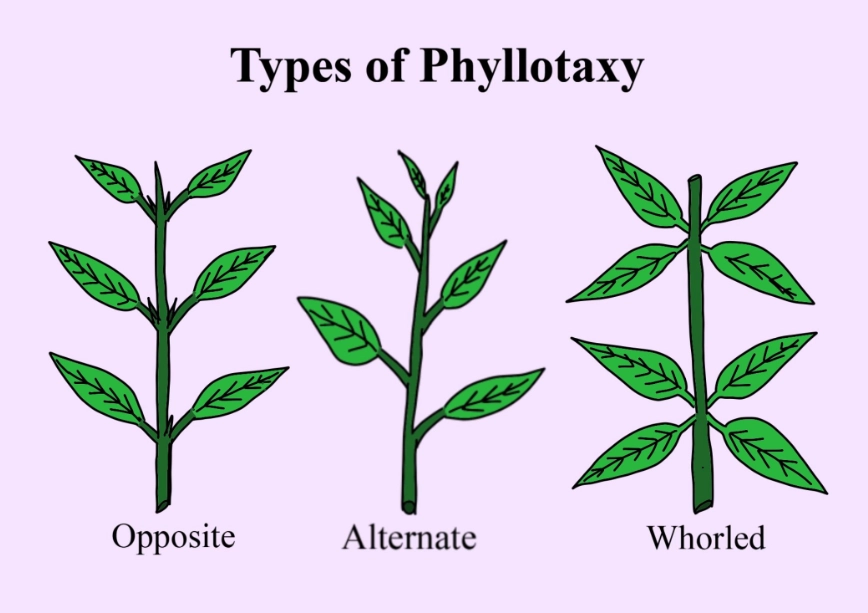
- Arrangement: Alternate (one leaf per node) vs. opposite (two leaves per node). Opposite leaves are less common and narrow the field quickly.
- Texture and underside: Hairy, waxy, or smooth. Flip the leaf. The underside often reveals hairs or glands that the top hides.
- Petiole (leaf stalk): Long, short, or absent. Some leaves attach directly to the stem — that's a clue.
One non-consensus tip: leaf size varies wildly on the same plant. Sun leaves are smaller and thicker; shade leaves are larger and thinner. If you measure one leaf and compare it to a database, you might be comparing a sun leaf to a shade leaf. Always sample three leaves from different parts of the plant.
How Do You Identify a Plant by Its Leaf, Step by Step?
Here's the process I actually use in the field. It takes about two minutes and beats any app for accuracy.
Step 1: Observe the whole plant first
Don't pick the leaf yet. Is it a tree, shrub, vine, or herb? Where is it growing — sun, shade, wet soil, dry slope? This context eliminates half the candidates before you even look at the leaf.
Step 2: Note leaf arrangement
Look at the stem. Are leaves paired opposite each other? Or staggered alternately? This is the fastest filter. Opposite-leaved plants include maples, ashes, and dogwoods. Alternate-leaved plants include oaks, roses, and apples.
Step 3: Examine the leaf shape and margin
Trace the outline with your finger. Is it lobed like a maple? Toothed like a rose? Smooth like a magnolia? Note whether the teeth are fine or coarse, sharp or rounded.
Step 4: Check veins and underside
Hold the leaf up to the light. Veins become obvious. Then flip it. Hairs? Glands? A waxy bloom? These details are often species-specific.
Step 5: Smell and feel
Crush a small corner. Does it smell like mint, citrus, or nothing? Texture matters too — rough, smooth, or sticky. I've identified more mints by smell than by sight.
Only after those five steps do I reach for a field guide or an app. At that point, I'm confirming a hypothesis, not fishing for a guess. The success rate is dramatically higher.
What Leaf Details Do Apps Usually Miss?
Apps are trained on clear, well-lit leaf photos. In the real world, leaves are dusty, damaged, or curled. Apps also ignore context — soil, plant habit, and smell. I've seen apps confidently label a toxic plant as an edible one because the leaf shape matched. That's dangerous. Use apps as a second opinion, never the first.
Common Lookalikes and How to Tell Them Apart
This is where plant identification by leaf gets humbling. Here are three pairs I see confused all the time, plus the one trait that settles it.
| Lookalike Pair | Shared Trait | Key Difference | My Quick Tip |
|---|---|---|---|
| Poison ivy vs. Virginia creeper | Both vine with compound leaves | Poison ivy has three leaflets; Virginia creeper has five | Count the leaflets. Three = leave it alone. |
| Maple vs. sweetgum | Both lobed, palmate veins | Maple leaves attach opposite; sweetgum leaves attach alternately | Check the stem arrangement, not the leaf shape. |
| Rose vs. blackberry | Both toothed, compound leaves | Rose leaflets are smooth underneath; blackberry leaves have hooked prickles on the stem | Run a finger gently along the stem. Prickles = blackberry. |
The maple/sweetgum confusion is personal. I spent an hour once arguing with a friend about a “maple” that turned out to be a sweetgum. The leaves looked identical from a distance. The arrangement gave it away in seconds. Now I check arrangement before shape, every time.
A Field Checklist You Can Carry
Print this or keep it in your phone notes. I've refined it over dozens of field trips.
- Plant habit: tree, shrub, vine, or herb
- Leaf arrangement: alternate, opposite, or whorled
- Leaf type: simple or compound (and how many leaflets)
- Margin: smooth, toothed, or lobed
- Vein pattern: pinnate or palmate
- Underside: hairy, waxy, or smooth
- Smell when crushed: distinctive or neutral
- Habitat: sun/shade, wet/dry, soil type
This checklist covers the traits that most field guides and botanical keys rely on. It also aligns with the approach used by resources like the Royal Horticultural Society and the Missouri Botanical Garden, both of which emphasize multiple traits over a single feature.
FAQ: Real Questions From the Field
I have a leaf with three leaflets. How do I know if it's poison ivy or something harmless?
Why do plant apps give me different answers for the same leaf?
What's the most common leaf trait beginners overlook?
Can I identify a plant from a single fallen leaf?
Are there leaves that look identical but belong to toxic and edible plants?
Plant identification by leaf is a skill, not a magic trick. It rewards patience and punishes shortcuts. The next time you're staring at a mystery leaf, skip the app, pull out the checklist, and read the whole plant. You'll be surprised how often the answer was there all along — just not in the shape.
This article was fact-checked against botanical references and my own field notes. No dates or years are included to keep the content evergreen.
Comment desk
Leave a comment