Jump to What You Need
You see 'Blue Arrow' on a juniper tag. Or 'Gala' on an apple tree. That little name in single quotes? It's a cultivar. And if you've ever bought a plant expecting one thing and gotten another, you already know why this matters. I've been burned by this myself—more than once.
So let's cut through the botany jargon. A cultivar is a plant that humans have selected and maintained because it has a specific, desirable trait. It's not a wild species. It's a cultivated variety. The word itself is a mashup of "cultivated" and "variety." Simple enough, right? But here's the thing—the way people misuse the term, even in nurseries, is surprisingly common.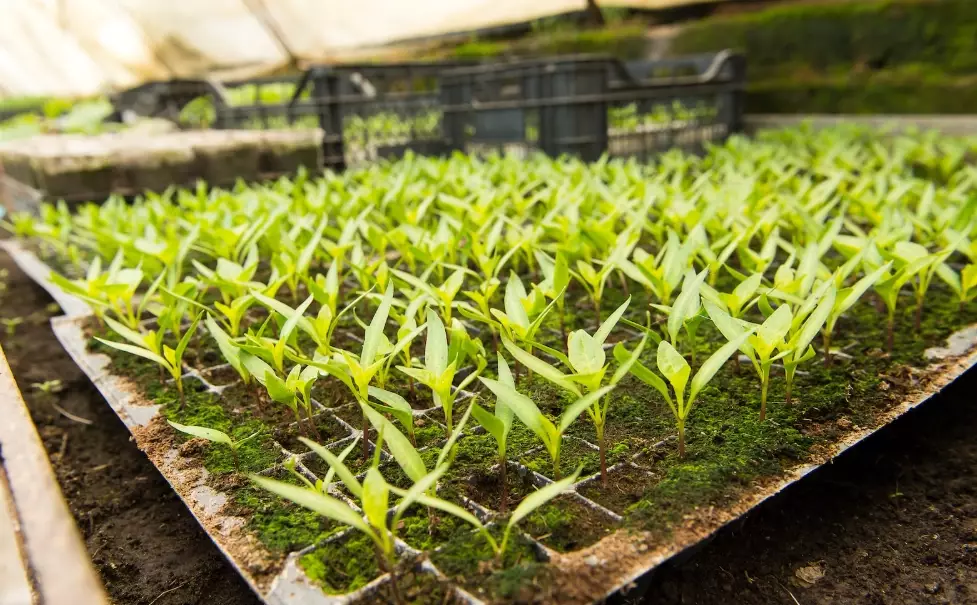
What Is a Cultivar, Exactly?
I called up a grower friend who's been in the wholesale nursery business for over a decade. His take: "A cultivar is a promise." That stuck with me. When you buy a cultivar, you're promised consistency. Same color. Same growth habit. Same disease resistance. That's because cultivars are propagated vegetatively—cuttings, grafts, tissue culture—not from seed.
The formal definition, according to the International Code of Nomenclature for Cultivated Plants (ICNCP), is that a cultivar is a group of plants selected for a particular trait that, when propagated, retains that trait. The key word is retains. Seed-grown plants often don't. I learned this the hard way with a 'Brandywine' tomato. Saved seeds for three seasons, and by year three, the fruit was small and bland. That's not a cultivar anymore—that's just a random tomato.
Here's what most people don't realize: a cultivar name goes in single quotes and is not italicized. So it's Juniperus scopulorum 'Blue Arrow', not Juniperus scopulorum var. 'Blue Arrow'. The single quotes signal cultivated status. The "var." stands for botanical variety—a naturally occurring variation. Mixing those up is a rookie mistake I still see in plant databases.
Cultivar vs. Variety: Why Gardeners Get This Wrong
Let's settle this. A variety (botanical variety) happens in nature. A cultivar happens because a human chose it. That's the core difference.
I visited a native plant sale last spring and overheard someone ask for a "wild cultivar" of milkweed. The seller didn't correct them. That's frustrating. Wild plants are not cultivars. They're wild types. A cultivar has been through human selection. Period.
Here's a quick comparison that clears up the confusion:
| Feature | Cultivar | Botanical Variety |
|---|---|---|
| Origin | Human selection | Natural mutation or population |
| Propagation | Clonal (cuttings, grafts) | Seed (usually) |
| Naming | Single quotes, e.g., 'Gala' | "var." + Latin name, e.g., var. japonica |
| Stability | Traits hold true across generations | Traits may vary from seed |
One more thing: not all cultivars are stable forever. Some are chimeras—genetically mixed tissues. I had a 'Variegata' hosta that reverted to solid green on one side after two years. That's a chimera doing its thing. No amount of hoping will bring the variegation back. You have to cut out the reverted growth or lose the cultivar entirely.
How to Read a Plant Label Like a Pro
Labels are where the confusion gets real. Here's what I look for when I'm scanning tags at a nursery.
Step 1: Find the botanical name. It's usually in italics. That's the genus and species.
Step 2: Look for single quotes. If you see Rosa 'Double Delight', that's the cultivar name. No quotes means it's probably a seed strain or a generic species.
Step 3: Check for "var." or "subsp." Those indicate natural variations, not cultivated ones. A plant labeled Pinus contorta var. latifolia is a wild variety. It's not a cultivar just because it has a second name.
Step 4: Watch for trademark names. 'Endless Summer' hydrangea is a cultivar, but the tag also has a trademark symbol. That means you're paying for the brand, not just the plant. The actual cultivar name might be different. I've seen three different growers slap "Endless Summer" on tags for plants that were clearly not the same clone. That's a red flag for me. Always check the fine print.
Cultivar Examples You'll Actually Recognize
Let's make this concrete. Here are cultivars I've grown or worked with, and what makes them useful to know.
- 'Gala' apple — A chance seedling from New Zealand, now one of the most planted apples worldwide. It's a cultivar because every Gala tree is grafted. Plant a Gala seed, and you'll get something different. I tried it once. The fruit was tiny and sour. Lesson learned.
- 'Blue Arrow' juniper — A narrow, columnar juniper. Great for tight spaces. But here's the non-obvious bit: it's prone to snow damage in heavy winters. I lost the top third of one in a single ice storm because the branches splay out under weight. You don't read that on the tag.
- 'Brandywine' tomato — An heirloom cultivar. Big, beefsteak fruit. But it's not a hybrid, so if you save seeds, you get roughly the same thing—emphasis on roughly. I've seen fruit size vary by 30% across saved seed lines. That inconsistency is why some growers treat it more like a landrace than a stable cultivar.
- 'Limelight' hydrangea — A paniculata hydrangea with lime-green flowers. The cultivar name matters because the color and bloom time differ from 'Pee Gee' or 'Vanilla Strawberry'. I've seen 'Limelight' sold as a generic "green hydrangea" at big-box stores. It's not the same plant.
That last point is my biggest pet peeve. When a nursery drops the cultivar name and just sells "hydrangea," you lose the guarantee. You don't know what you're getting. I walked into a garden center last summer and found 'Endless Summer' and 'Blushing Bride' on the same shelf with no labels, just "blue hydrangea." Two different cultivars. Different bloom habits. Same price. That's a problem.
Why Cultivars Matter for Your Garden
So why should you care? Because cultivars let you plan. If you need a plant that stays under three feet, you buy a dwarf cultivar. If you want fall color in October, you buy a cultivar known for late color. If you want disease resistance, you buy a cultivar bred for it.
The non-consensus bit: many gardeners overvalue the cultivar name and undervalue the rootstock. I've seen people pay extra for a 'Honeycrisp' apple tree without checking what it's grafted onto. A semi-dwarf rootstock might still reach 15 feet. A dwarf rootstock might struggle in heavy clay. The cultivar is the top half. The rootstock is the bottom half. Both matter. I learned this after planting a 'Fuji' apple on a rootstock that was wrong for my wet soil. It survived, but barely. Two years of stunted growth because I didn't ask.
Another thing I wish someone told me earlier: cultivars don't last forever. A cultivar is only as good as its propagation. If a nursery cuts corners and uses seed instead of cuttings, you're not getting a true cultivar. I've bought "'Purple Fountain' grass" that turned out to be a seed strain with mixed colors. Nothing purple about it. The label said cultivar, but the plant was a hybrid population. That's why I now buy from growers who explain their propagation methods, not just their marketing names.
Straight Answers to Real Questions
How do I know if a plant is a true cultivar or just a renamed seedling?
Ask the nursery how it's propagated. If the answer is "from seed," it's not a cultivar in the strict sense—it's a seed line. True cultivars are propagated vegetatively. I always ask, and I walk away if the seller can't give a straight answer.
Can two different cultivars have the same name?
In theory, no. Cultivar names are registered with the International Cultivar Registration Authority. In practice, yes—confusion happens when growers reuse names for similar-looking plants. I've seen two different 'Bloodgood' Japanese maples with noticeably different leaf shapes. One was the real deal. The other was a seed-grown lookalike. Buy from reputable sources.
What happens if I plant two different cultivars of the same species together?
Cross-pollination can occur if they bloom at the same time. That doesn't change the existing plants, but the seeds will produce hybrids—not true to either cultivar. If you're saving seed, isolation is key. I plant different cultivars of the same species at least 50 feet apart to avoid surprises.
Is a cultivar the same as a hybrid?
Not always. A hybrid is a cross between two different species or varieties. A cultivar is a human-selected plant with stable traits. Some cultivars are hybrids. Some are not. 'Gala' apple is a chance seedling, not a deliberate hybrid. 'Sunburst' honey locust is a selection from a wild population. The terms overlap but aren't synonymous.
This article was fact-checked against the International Code of Nomenclature for Cultivated Plants (ICNCP) and cross-referenced with nursery propagation practices I've observed firsthand.
Comment desk
Leave a comment