I learned this the hard way with a fern. Bought it at a nursery sale, planted it in a spot that looked shady and damp, and watched it shrivel in two weeks. The soil was actually bone-dry six inches down. That is the whole point of a plant habitat guide—it is not a list of plants. It is a way of reading your site so the plant's natural range tells you where to put it.
Most people skip that step. They buy for looks, plant where there is space, then blame the plant when it fails. If you want the short version: match the plant's native habitat—light, soil moisture, drainage, pH—to one specific spot in your yard before you dig. Everything below is how to do that without a lab kit.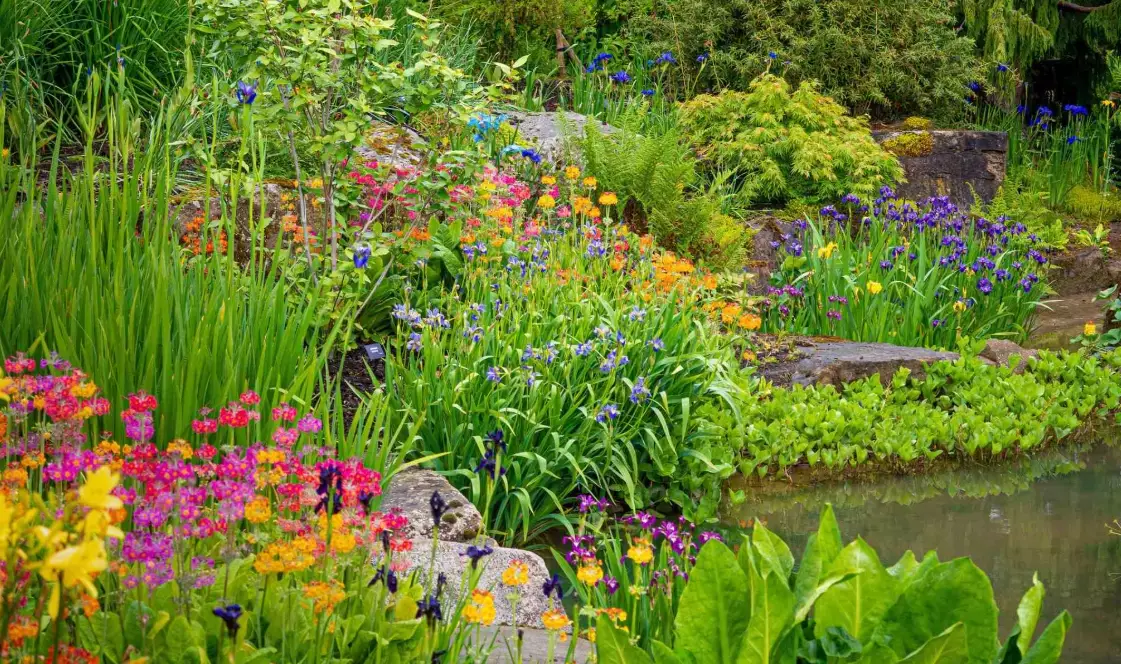
What a Plant Habitat Guide Actually Measures
Habitat gets treated as a vague word. In practice it is four measurable things, and one of them is the one almost everyone ignores.
Light is not just sun or shade. A bed that gets four hours of midday summer sun and a bed that gets four hours of morning sun behave like different habitats. Morning sun dries dew faster; afternoon sun bakes. I have seen a plant labeled "full sun" scorch in an afternoon spot and thrive in a morning one.
Soil moisture changes week to week. Spring is not August. Ask yourself where water stands after three days of rain, not where it looks damp in April.
Drainage is the one people miss. A plant can tolerate dry soil but not sit in waterlogged clay for a week. Roots need air. Heavy clay that holds water is a different habitat from the same clay on a slope.
pH and organic matter matter for nutrient access, not just for acid-loving plants. I do not test pH every year. I test once, then watch what weeds grow—dandelions and plantain usually mean compacted, neutral-ish soil; sorrel and moss lean acidic and wet.
Field note: The USDA PLANTS Database is my go-to for checking a species' native range and habitat notes. Pair it with your state's native plant society—local habitat descriptions are far more specific than the generic tag on a nursery pot.
How to Read Your Yard in Under an Hour
This is the step I wish I had started with. It takes less time than a nursery trip, and it prevents most of them.
Step 1: Track light, not weather
On a clear day, stand in the spot at 9 a.m., noon, and 4 p.m. Note direct sun or shade. If you cannot be home, take three phone photos from the same angle at those times. You are looking for the duration and timing, not a rough guess. A spot with six hours split between morning and late afternoon is gentler than four hours of noon sun.
Step 2: Dig a test hole
Dig about 8 inches down and fill it with water. If it drains within an hour, you have decent drainage. If it still holds water the next morning, you have a wet habitat—either plant for wet or fix the drainage with a raised bed. This one test explains more failures than any label.
Step 3: Squeeze the soil
Wet a handful and squeeze it. Ribbons that hold shape mean clay. Crumbly means loam. Gritty means sand. This matters more than pH for most perennials. Clay holds moisture and nutrients but drowns roots; sand drains fast and dries out.
Step 4: Map the microhabitats
Walk the yard and mark three or four zones: hot dry edge, wet low corner, dappled shade under a tree, and a windy exposed side. You do not need a perfect map. You need to stop treating the whole yard as one habitat.
My own mistake: I once planted a supposedly drought-tolerant grass at the bottom of a slope. It rotted out in winter. The tag was right about drought; the site was wrong about drainage. The plant was never the problem.
Matching Habitat Types to Plant Choices
Here is how I group the zones I find most often, with plant types that actually fit. Treat the plant examples as categories, then check native range for your region before buying.
| Habitat zone | What it looks like | Plant types that fit |
|---|---|---|
| Hot, dry, fast-draining | Full afternoon sun, sandy or gravelly soil, water gone within an hour | Lavender, sedum, yarrow, native prairie grasses, agastache |
| Wet, low, slow-draining | Water stands after rain, clay base, low corner of the yard | Joe-pye weed, cardinal flower, sedges, iris, winterberry |
| Dappled shade, average soil | Morning sun or filtered light, soil stays cool and crumbly | Woodland phlox, heuchera, ferns suited to your region, wild ginger |
| Windy, exposed, lean soil | Open side, no shelter, thin topsoil | Little bluestem, juniper, sea thrift in coastal areas, lavender |
| Rich, moist, shaded edge | Woodland edge, leaf litter, consistent moisture | Christmas fern, mayapple, trillium where legal and local, hydrangea in mild climates |
The mistake is picking the plant first and hunting for a spot. It works better in reverse: read the zone, then pick from the plants whose native habitat matches it. That is the whole "right plant, right place" idea, and it is less about rules than about observation.
Where Most Gardeners Get Habitat Wrong
They read the label as habitat. A tag saying "partial shade" does not tell you whether the plant wants wet shade or dry shade. Those are opposite habitats. Woodland ferns want moist shade; some sedges want dry shade. Same word, different plant.
They ignore the root zone. A tree's canopy changes light, but its roots also pull moisture from a wide area. That dry shade under a maple is a harsh habitat—many plants fail there not from lack of sun but from root competition.
They fix symptoms, not habitat. Adding fertilizer to a plant in the wrong light is like turning up the heat in a room with no ventilation. It may push growth, but it does not solve the mismatch.
They forget winter wet. A spot that drains fine in summer can hold water in winter when the soil is cold and evaporation stops. Plants that survive summer drought often die from winter saturation. Check drainage in the wet season, not just the dry one.
Before you buy, confirm these four things:
- The spot's light hours and timing (morning vs afternoon).
- How fast water drains from an 8-inch test hole.
- Soil feel—clay, loam, or sand.
- Whether the plant's native range includes a habitat like yours. If not, pick another plant.
One more thing worth saying plainly: a plant habitat guide is not a guarantee. Microclimates shift—a neighbor's tree grows, a fence goes up, a wet year follows a dry one. The guide gets you close. Watching the plant for the first season gets you the rest of the way.
Questions I Get From Real Yards
My soil is heavy clay and stays wet in winter—can I still plant a native garden without raised beds?
Yes, but choose plants whose native habitat is wet clay, not dry prairie. Sedges, Joe-pye weed, and winterberry handle winter saturation better than most drought-tolerant species. The trap is buying "native" plants that evolved on sandy or well-drained ground and assuming they will adapt. They usually will not. Test drainage in the wet season before you commit, and plant in spring so roots establish before the slow season.
How do I tell dry shade from moist shade without a soil test?
Look at what already grows there. Moss and sorrel suggest moist, acidic shade. Bare soil under a dense tree canopy with little weed growth often means dry shade with root competition. Stick your finger in after a rain—if it is dry two inches down a day later, treat it as dry shade and pick accordingly. This is faster and more honest than a one-time lab test taken in spring.
Is it worth amending soil to match a plant's habitat instead of choosing a different plant?
Sometimes, but be realistic about scale. Amending a planting hole in heavy clay can create a bathtub that holds water and drowns roots—a common failure I see. It is usually better to choose plants for the soil you have, or build a raised bed if you want a different habitat. Save amendments for improving organic matter gradually, not for fighting the site.
This guide reflects hands-on site assessment methods and cross-checks against native range information from the USDA PLANTS Database and regional native plant society guidance. Verify species suitability for your specific region before planting.
Comment desk
Leave a comment